MERIDIAN UNIVERSITY.
(Meridian higher Institute of Arts', Science and technology)
MERIDIAN UNIVERSITY.
(Meridian higher Institute of Arts', Science and technology)
Discover more about our extensive range of professional services. We constantly update this page, but if you still can’t find what you’re looking for, please feel free to get in touch with us – we will be more than happy to help.
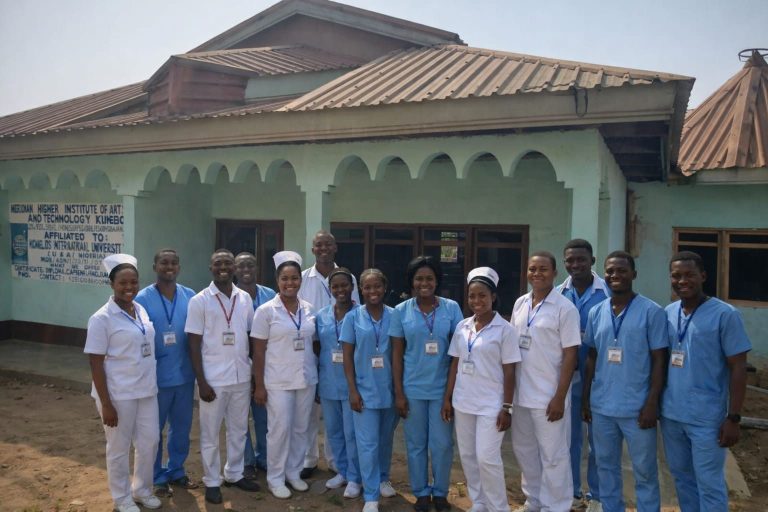
Biomedical Science and Health Science are the backbones of the modern healthcare system. While they overlap, they serve distinct roles: Biomedical Science focuses on the biological and chemical processes that occur within the body to understand how it functions and how diseases develop, whereas Health Science is a broader application of that knowledge toward clinical practice, patient care, and improving overall health systems.
Importance of Biomedical & Health Sciences
These fields are the primary drivers behind the evolution of medicine and the extension of human life expectancy.
Disease Prevention and Diagnosis: They provide the tools and tests needed to identify illnesses early, from simple blood tests to complex genetic sequencing.
Pharmaceutical Innovation: Every medication, vaccine, and therapy is researched, developed, and tested within these disciplines.
Evidence-Based Treatment: They move medicine away from guesswork, ensuring treatments are backed by rigorous scientific data.
Global Health Security: These sciences are the first line of defense against pandemics, helping to track, model, and neutralize infectious threats.
Surgical and Technological Advancement: From robotic surgery to 3D-printed organs, health sciences merge engineering with biology to fix the human body.
Departments under Biomedical Science
Biomedical Science is primarily laboratory-based and focuses on the "how" and "why" of human biology.
Department
Focus Area
Medical Microbiology
Study of pathogens (bacteria, viruses, fungi) and infectious diseases.
Clinical Biochemistry
Analysis of body fluids to monitor chemical processes and organ function.
Hematology & Transfusion
The study of blood, blood-forming organs, and blood disorders.
Histopathology
The microscopic examination of tissue to study the manifestations of disease (e.g., cancer).
Immunology
Research into the immune system and its response to threats or malfunctions.
Pharmacology & Toxicology
The study of how drugs interact with biological systems and the effects of toxins.
Genetics & Molecular Biology
Focusing on the human genome, $DNA$ replication, and hereditary conditions.
Departments under Health Science
Health Science is often more "patient-facing" or focused on the delivery and administration of care.
Public Health: Focuses on community-wide health, policy, and disease prevention strategies.
Nursing & Midwifery: The direct clinical care and support of patients and expectant mothers.
Epidemiology: The study of how diseases spread through populations (often called "medical detective work").
Nutrition & Dietetics: The science of how food and nutrients affect human health and recovery.
Biomedical Engineering: The design of medical equipment, prosthetics, and diagnostic machines.
Physiotherapy & Rehabilitation: Improving physical function and mobility after injury or illness.
Health Informatics: Managing and analyzing health data to improve hospital efficiency and patient outcomes.

Schools of Business and Management typically offer a structured hierarchy of programs, ranging from broad foundational degrees to highly specialized technical certifications. These programs are generally categorized by degree level: Undergraduate, Graduate, and Doctoral.
Below is a comprehensive list of study programs commonly found in these schools.
1. Undergraduate Programs (Associate & Bachelor's)
Undergraduate degrees provide the "nuts and bolts" of business operations. Meridian Higher Institute offer a Bachelor of Business Administration (BBA), which allows students to pick a specific "major" or concentration.
Accounting: Focuses on financial reporting, auditing, and taxation.
Finance: Covers investment management, corporate finance, and banking.
Marketing: Includes digital marketing, consumer behavior, and brand management.
Management / Business Administration: A broad track focusing on organizational leadership and strategy.
Supply Chain & Logistics: Managing the flow of goods and services from production to consumer.
Management Information Systems (MIS): The bridge between business and technology/data systems.
International Business: Focuses on global trade, cross-cultural management, and emerging markets.
Entrepreneurship: Tailored for those looking to start their own businesses or drive innovation.
2. Graduate Programs (Master's)
Graduate programs are often divided into generalist leadership degrees (MBA) and technical specialized degrees (MS).
Master of Business Administration (MBA): The standard for leadership roles, often offering tracks in Strategy, Healthcare Management, or Executive Leadership.
Master of Science (MS) in Business Analytics: A high-demand program focusing on data science and statistical modeling for business decisions.
Master of Accountancy (MAcc): Advanced study for those pursuing a CPA (Certified Public Accountant) license.
Master of Science in Finance (MSF): Deep-dive into financial theory, quantitative analysis, and risk management.
Master in Management (MiM): Often designed for recent graduates with little work experience who want to transition into business.
3. Doctoral & Executive Programs
These are research-heavy or high-level strategic programs for academics and senior professionals.
Doctor of Business Administration (DBA): A professional doctorate focused on applying research to complex business problems.
PhD in Business / Management: An academic degree focused on original research in fields like Economics, Organizational Behavior, or Marketing Theory.
Executive Education Certificates: Short-term, non-degree programs in niche areas like Women in Leadership or Digital Transformation.
Common Core Courses
Regardless of the specific program, almost all business students are required to take "The Core," which typically includes:
Macro/Microeconomics
Business Law & Ethics
Principles of Marketing
Financial & Managerial Accounting
Business Statistics / Quantitative Methods

A School of Education (often referred to as a Faculty of Education or College of Education) is an academic institution dedicated to the study of teaching, learning, and human development. It serves as the training ground for the next generation of teachers, administrators, and policy-makers who shape the future of society through knowledge transfer.
Importance of a School of Education
The School of Education is often called the "Mother of all Faculties" because it prepares the professionals who will eventually train the doctors, engineers, and scientists of tomorrow.
Professional Certification: It provides the formal training and credentials required by law for individuals to teach in public and private institutions.
Pedagogical Innovation: These schools research and develop new teaching methods (pedagogy) to cater to different learning styles, such as neurodiversity and digital learning.
Social Equity: By training educators to recognize and address systemic biases, schools of education play a key role in closing the achievement gap for marginalized students.
Human Development: It extends beyond the classroom to study how humans grow cognitively, emotionally, and socially from infancy through adulthood.
Policy & Leadership: They produce school principals, superintendents, and advisors who manage the complex logistics and legalities of entire school districts.
Specialties under the School of Education
Education is a diverse field with various "tracks" depending on the age group or specific needs of the students.
1. Level-Based Specialties
Early Childhood Education (ECE): Focusing on the critical developmental years from birth to age eight (Preschool to Grade 3).
Primary/Elementary Education: Training for those who teach children in the fundamental years (typically Grades 1–6).
Secondary Education: Specialized training for teaching specific subjects (like Math, History, or Biology) to teenagers in high school.
Higher Education Administration: Focusing on the management, student affairs, and leadership of colleges and universities.
2. Specialized Learner Support
Special Needs Education (SPED): Designing curriculum and support systems for students with physical, emotional, or cognitive disabilities.
English as a Second Language (ESL) / TESOL: Strategies for teaching English to non-native speakers.
Gifted and Talented Education: Tailoring instruction for students who require advanced or accelerated learning paths.
3. Technical & Theoretical Specialties
Curriculum and Instruction: The "architects" of education who design the textbooks, lesson plans, and standards for what students should learn.
Educational Technology (EdTech): Integrating digital tools, AI, and online platforms into the classroom experience.
Educational Psychology: The study of how people learn and the psychological factors that affect classroom behavior.
Guidance and Counseling: Training school counselors to support students' mental health and career planning.
Educational Leadership & Policy: Focusing on the law, ethics, and economics of running educational systems.

A School of Law is an academic institution dedicated to the study of legal systems, the training of legal professionals, and the research of how laws shape society. It is the bridge between theoretical justice and its practical application in the real world.
Importance of a School of Law
Law schools are essential because they do far more than just "produce lawyers"; they act as the foundation for a functional, democratic society.
Upholding the Rule of Law: They train the individuals responsible for ensuring that laws are applied fairly and that no one is above the law.
Protection of Rights: Law schools prepare advocates who defend the civil liberties, property, and safety of individuals against both private and public interests.
Conflict Resolution: They teach the formal and informal methods (like mediation and litigation) used to settle disputes peacefully without resorting to chaos.
Social & Policy Change: Many of history’s greatest reforms began with legal scholars and students researching ways to modernize outdated or unjust systems.
Economic Stability: By producing experts in contract, property, and corporate law, these schools ensure that businesses can operate with the security and predictability needed for economic growth.
Major Specialties in Law
Modern law is highly specialized. While every student learns the basics (like Torts, Contracts, and Constitutional Law), most eventually choose a "concentration" or specialty.
1. Private and Business Law
Corporate/Business Law: Managing the legal life of companies—mergers, acquisitions, and compliance.
Intellectual Property (IP) Law: Protecting "creations of the mind," such as patents, trademarks, and copyrights.
Tax Law: Navigating the complex world of local and international taxation for individuals and corporations.
Real Estate Law: Handling everything from property sales and zoning to landlord-tenant disputes.
Bankruptcy Law: Assisting individuals or businesses in managing or discharging debt.
2. Public and Social Justice Law
Criminal Law: Defending those accused of crimes or acting as prosecutors to represent the interests of the state.
Civil Rights Law: Focusing on cases involving discrimination and the protection of constitutional freedoms.
Environmental Law: Advocating for the protection of natural resources and managing compliance with climate regulations.
Family Law: Handling sensitive matters like divorce, child custody, adoption, and domestic relations.
Immigration Law: Dealing with visas, citizenship, and the legal rights of those crossing borders.
3. Specialized & Emerging Fields
Health Law: Focusing on the regulations governing the healthcare industry, patient rights, and bioethics.
Entertainment & Sports Law: Managing contracts and rights for athletes, musicians, and artists.
Cybersecurity & Technology Law: The "new frontier" of law dealing with data privacy, AI ethics, and digital crime.
International Law: Covering the rules that govern relationships between different nations and international organizations.
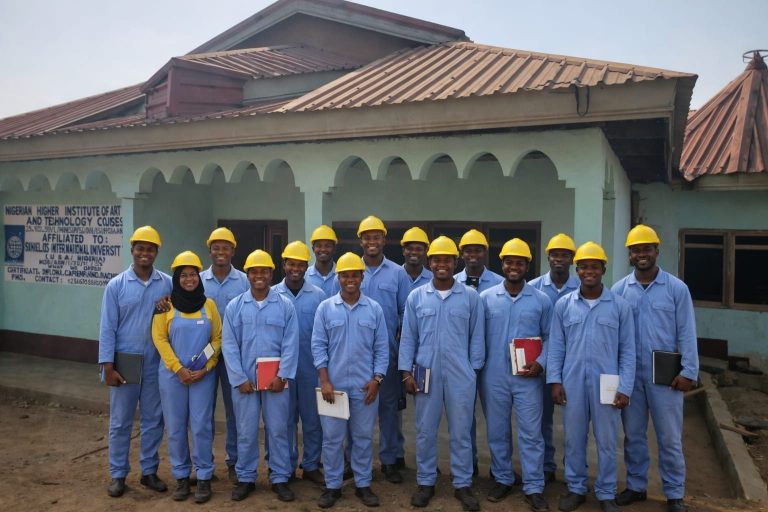
A School of Engineering is an academic institution focused on the application of mathematics, science (particularly physics and chemistry), and creativity to design, build, and maintain structures, machines, systems, and processes. It is the place where theoretical science is turned into practical solutions for real-world problems.
Importance of a School of Engineering
Engineering is often described as the "invisible force" that makes modern life possible. Its importance lies in:
Technological Advancement: Engineers drive innovation, from the smartphones in our pockets to the satellites orbiting the Earth.
Infrastructure Development: They design the bridges, roads, and power grids that allow societies to function and grow.
Problem Solving: Engineering is at the forefront of solving global crises, such as developing clean energy to combat climate change or creating water purification systems for developing nations.
Economic Growth: By improving manufacturing efficiency and creating new industries, engineering schools directly contribute to a nation's GDP and industrial competitiveness.
Safety and Reliability: Engineering standards ensure that the planes we fly in, the buildings we live in, and the medical devices we rely on are safe and functional.
Major Specialties under Engineering
Engineering is incredibly broad, and most students choose a specific branch to master. These are often categorized into "The Big Four" and several modern interdisciplinary fields.
1. The Core Disciplines
Civil Engineering: The oldest branch, focusing on the built environment (bridges, dams, skyscrapers, and transportation systems).
Mechanical Engineering: Deals with the design and manufacturing of moving parts and thermal systems, from tiny sensors to massive engines.
Electrical Engineering: Focuses on electricity, electronics, and electromagnetism, covering everything from power plants to microchips.
Chemical Engineering: Uses chemistry, physics, and biology to turn raw materials into useful products like fuels, medicines, and plastics.
2. Specialized & Modern Branches
Aerospace Engineering: The study of flight and the design of aircraft, missiles, and spacecraft.
Biomedical Engineering: Merges biology and engineering to create medical equipment, artificial limbs, and diagnostic tools.
Software/Computer Engineering: Focuses on the development of computer hardware and the complex software systems that run them.
Environmental Engineering: Dedicated to protecting the environment by reducing waste, controlling pollution, and improving sustainability.
Industrial Engineering: Focuses on optimizing complex processes and systems to improve productivity and eliminate waste.
Materials Science Engineering: The study of the properties of matter to create new materials, such as super-strong alloys or flexible glass.
Petroleum/Energy Engineering: Deals with the exploration and extraction of oil and gas, as well as the transition to renewable energy sources like wind and solar.
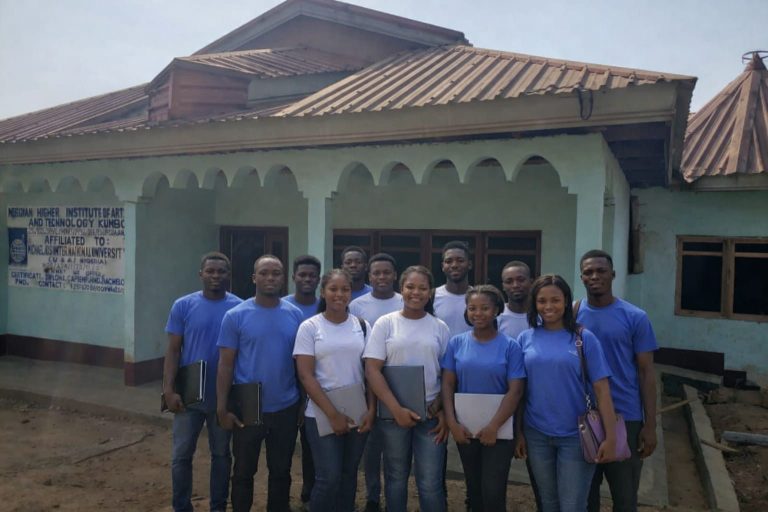
A School of Information and Technology (often called an iSchool) is an interdisciplinary academic institution that explores the relationship between people, information, and technology. Unlike a pure Computer Science department which focuses on the "machine," an Information Technology school focuses on how that machine is used to manage data, solve human problems, and drive innovation across industries.
Importance of the School of Information & Technology
In an increasingly "data-driven" world, this school is the engine of the digital economy.
Digital Transformation: It prepares professionals to lead the transition from analog to digital systems in business, healthcare, and government.
Data Literacy & Management: With the explosion of Big Data, these schools train experts to organize, protect, and extract value from vast amounts of information.
Bridging the "Digital Divide": They research ways to make technology more accessible and user-centered, ensuring that systems work for humans rather than complicating their lives.
Security & Privacy: As cyber threats evolve, IT schools are the primary training grounds for the specialists who protect our personal data and national infrastructure.
Innovation Catalyst: Technologies like Artificial Intelligence (AI) and Machine Learning are refined here to solve complex social and economic challenges.
Major Specialties under Information & Technology
The field is broad, covering everything from the physical hardware of networks to the psychological design of apps.
1. Systems & Infrastructure
Network Administration & Security: Designing and maintaining the "digital plumbing" (servers, routers, and clouds) that keeps the internet running.
Cloud Computing: Focusing on the delivery of computing services over the internet to provide faster innovation and flexible resources.
Enterprise Systems: Managing large-scale software packages used by corporations to handle data and business processes.
2. Data & Intelligence
Data Science & Analytics: Using statistics and algorithms to analyze data and predict future trends.
Database Management: The design and maintenance of systems that store and retrieve information efficiently.
Artificial Intelligence (AI): Developing systems that can perform tasks typically requiring human intelligence, such as speech recognition or decision-making.
3. Human-Centered Design
User Experience (UX) & User Interface (UI) Design: Studying how people interact with technology and designing apps that are intuitive and easy to use.
Human-Computer Interaction (HCI): Researching the psychological and social impacts of technology on human behavior.
Web Design & Development: Creating and maintaining the functional and visual aspects of websites.
4. Security & Ethics
Cybersecurity: The practice of protecting systems, networks, and programs from digital attacks.
Digital Forensics: The "CSI" of the tech world—recovering and investigating material found in digital devices, often for legal cases.
Information Policy & Ethics: Addressing the legal and moral questions surrounding data privacy, surveillance, and digital rights.
5. Management & Specialized Applied IT
IT Project Management: Leading teams to ensure that technical projects are completed on time and within budget.
Health Informatics: Applying IT to healthcare for better patient records, diagnostics, and hospital management.
Game Development & Simulation: The technical side of creating interactive entertainment and virtual training environments.
Additional Health Programs
In Cameroon, the Department of Health Science offers several professional certificate programs (CQP - Certificat de Qualification Professionnelle) designed for rapid entry into the healthcare workforce. These programs typically range from 3 months to 1 year, focusing on practical skills and clinical experience.
Below is a list of common certificate programs available at Meridian Higher Institute of Arts',Science and Technology Kumbo,Bui Division,NW Region-Cameroon.
Nursing Assistant (Aide-Soignant)
Details: This is the most popular entrylevel clinical program. It trains students to provide basic bedside care under the supervision of State Registered Nurses.
Key Skills: Checking vital signs (blood pressure, temperature), wound dressing, patient hygiene (bathing/grooming), and basic first aid.
Outcome: Graduates work in hospitals, clinics, and homecare settings as essential support staff.
Pharmacy Sales / Pharmacy Agent
Key Skills: Drug identification, basic pharmacology (understanding what medicines do), inventory management, and customer service/prescription reading.
Outcome: Prepares you to assist pharmacists in dispensing medications and managing stock.
Medical Laboratory Assistant (Auxiliaire de Laboratoire)
Key Skills: Collecting blood samples (phlebotomy), preparing microscope slides, and performing basic tests for malaria, glucose levels, and blood grouping.
Outcome: Employment in diagnostic centers and small hospital labs.
Community Based Rehabilitation (CBR)
Key Skills: Identifying disabilities, basic physiotherapy techniques, and social empowerment strategies for patients in rural communities.
Outcome: Graduates work with NGOs and community health centers to improve the lives of people with physical or cognitive impairments.
Occupational Health & Safety (Short Course)
Key Skills: Hazard identification, risk assessment, and implementing emergency preparedness protocols.
Outcome: Graduates work as Safety Officers in construction, manufacturing, or large medical facilities.
In Meridian Higher Institute of Arts, Science and Technology, professional certificate programs are specifically designed as "fast-track" routes to career readiness.These programs bridge the gap between academic theory and industry demands, allowing students to gain specialized skills in a significantly shorter timeframe than a full degree.
Program Duration & Structure.
The certificate programs are structured to be flexible, catering to both full-time students and working professionals:
Short-Term (3–6 Months): These are typically intensive, skill-specific certifications (e.g., Hardware Maintenance or Digital Marketing) designed for immediate job placement.
Long-Term (Up to 1 Year): These provide a more comprehensive foundation and are often used as a "bridge" or "Diploma" program to qualify for Bachelor’s Degree entry.
Available Professional Tracks.
Meridian Higher Institute offers certifications across several specialized schools:
School:
Business & Management:
Accountancy, Banking & Finance, Marketing, Hospitality Management, and Logistics & Transport.
Engineering & Tech:
Software Engineering, Electrical Power Systems, ICT, and Oil & Gas Petroleum Technology.
Health Sciences:
Medical Laboratory Studies, Nursing, and Public Health.
Education & Psychology:
Guidance and Counseling, Educational Psychology, and Special Needs Education.
Key Benefits for Students:
Industry-Centric Learning:
Unlike traditional academic tracks, these programs focus on "hands-on" training. For instance, Health Science students often practice in on-campus clinics, while Tech students work on real-world hardware and software projects.
Flexible Delivery:
Students can often choose between Online and On-Campus study modes, making it easier to balance education with other commitments.
Career Advancement:
For those already in the workforce, these certificates serve as "Top-Up" qualifications. Applicants already pursuing a career may simply need a letter of recommendation from their employer to enroll.
Pathway to Higher Degrees:
Completing a certificate can serve as a stepping stone toward an Associate Degree (HND) or a full Bachelor’s degree within the same faculty.
Admission Requirements:
For most certificate programs, the requirements are more accessible than degree tracks:
Standard Entry: Usually requires relevant O-Level credits or equivalent qualifications.
Professional Entry: Verification of current employment or professional suitability may be used for candidates who do not meet standard academic minimums.
We need your consent to load the translations
We use a third-party service to translate the website content that may collect data about your activity. Please review the details in the privacy policy and accept the service to view the translations.